
New Joint Webinar Programme Announced
09-01-2021
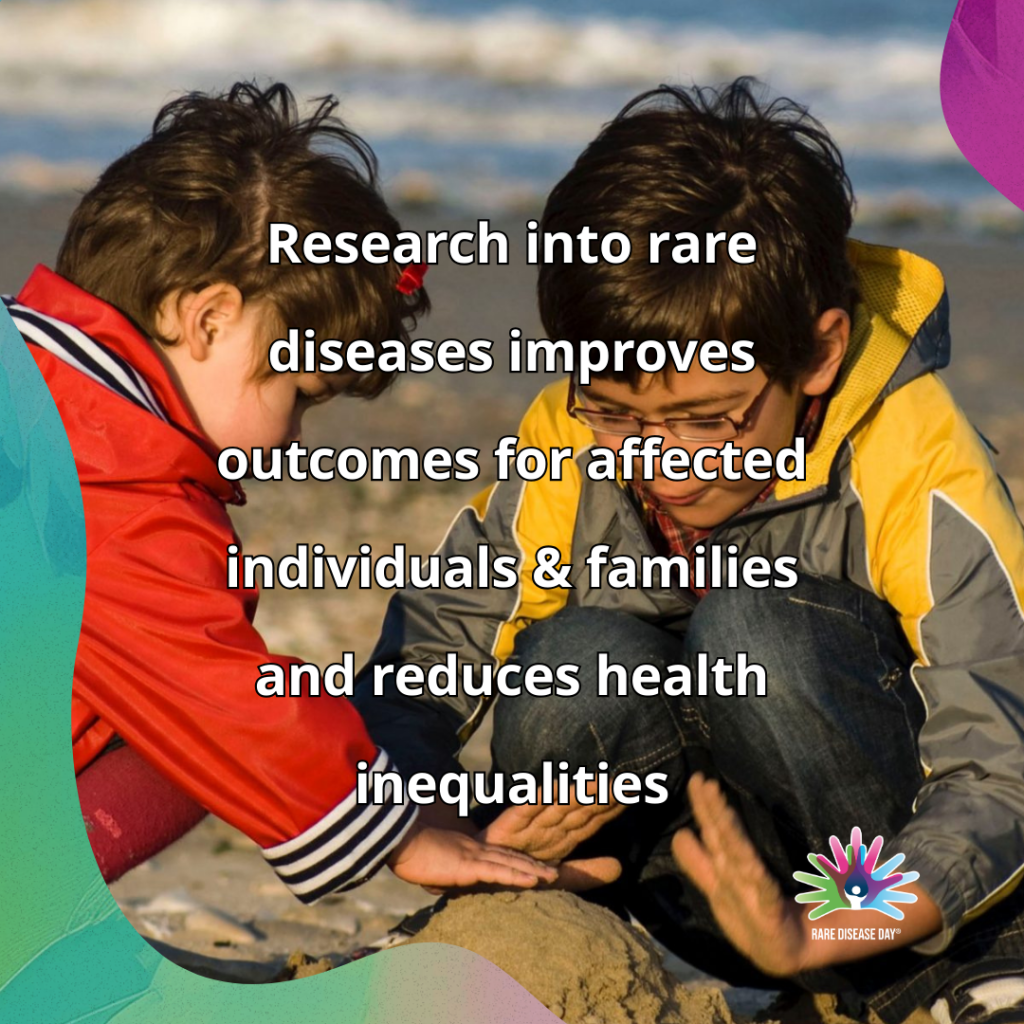
Rare diseases collectively affect tens of millions of people worldwide, yet each individual condition often impacts only a small number of patients. This creates a persistent evidence gap. Limited clinical expertise, fragmented patient populations, and a lack of commercial incentives can all impede the generation of high‑quality evidence to inform diagnosis, treatment, and care. Research into rare diseases is therefore essential not only to improve outcomes for affected individuals and families, but also to reduce health inequalities and ensure that healthcare systems are equipped to deliver effective, evidence‑based care across all conditions.
Conducting robust clinical research in rare diseases presents distinctive methodological and practical challenges. Small sample sizes, heterogeneous disease presentations, and limited natural history data make trial design, recruitment, and analysis particularly complex.
The UK’s Clinical Trials Unit (CTU) model plays a critical enabling role. CTUs bring together multidisciplinary expertise in trial design, statistics, data management, regulatory compliance, and patient and public involvement, allowing rare disease studies to be conducted to the same high standards as trials in more common conditions.
The UK CTU infrastructure supports rare disease research in several key ways. First, CTUs provide methodological innovation, including adaptive designs, Bayesian approaches, and specific adapted methods for rare disease trials which are needed when participant numbers are limited. Second, they offer operational capacity to coordinate multicentre and often international studies, helping to overcome the geographic dispersion of patients. Third, CTUs support close collaboration with clinicians, patients, and charities, ensuring that studies address meaningful outcomes and are feasible and acceptable to participants.
By embedding rare disease research within a nationally coordinated CTU network, the UK maximises the impact of public and charitable investment, reduces duplication, and accelerates the translation of research findings into practice. This model helps ensure that people living with rare diseases are not excluded from the benefits of rigorous clinical research, and that high‑quality evidence can inform care even where patient numbers are small.
You can read about some of the trials taking place across the Network here.
To keep up to date on our activities, follow the Network on LinkedIn and Bluesky.




If you have any questions about the site, please feel free to contact us. We are always looking for ways to better serve our members - YOU are important to us!
If you have any questions about the site, please feel free to contact us. We are always looking for ways to better serve our members - YOU are important to us!