New Joint Webinar Programme Announced
09-01-2021

South Asian Heritage Month was officially launched in 2020, with more than 150 official and unofficial events taking place across the UK. Since then, it has grown into an annual celebration, recognised both nationally and internationally, bringing together workplaces, schools, cultural organisations and communities to celebrate the rich histories, cultures and contributions of South Asian people. This year’s theme is Unity in Diversity.
Beyond the celebrations, the South Asian Heritage Trust plays an important role in driving lasting change. Through its work, the Trust helps organisations and communities better understand and value heritage, challenge inequalities, and create environments where everyone feels a genuine sense of belonging.
Our commitment to diversity in trials
Diversity in clinical trials is essential to ensuring research is equitable, relevant, and beneficial to all communities. This applies not only to those who participate in trials, but also to the teams that design, deliver and lead them. The Network is committed to promoting inclusive trial design, increasing representation across diverse populations, and addressing barriers that may prevent people from taking part in research.
South Asian Heritage Month provides an opportunity to recognise and highlight the many ways Clinical Trials Units are engaging with, supporting, and celebrating South Asian communities.
Read some of the stories and initiatives below to find out more.
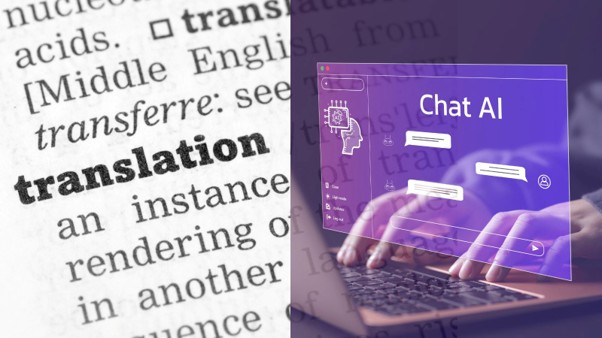
Assessing the accuracy and accessibility of AI vs human translations of patient-facing clinical trial documents
The Southampton Clinical Trials Unit (SCTU) has been conducting a project to look at whether Artificial Intelligence (AI) could be used to provide translations of clinical trial documents for people with limited English proficiency, including those of South Asian heritage, and thereby help improve research inclusion and diversity among trial participants.
Research participation by people from diverse backgrounds is essential to understand the generalisability of trial findings. However, people taking part in clinical trials do not always represent the race and ethnicity of the whole population or those affected by different diseases and this is likely to have detrimental consequences for the health of underserved groups and may increase social inequalities in health
Being unable to read or speak English is an exclusion criterion for many trials and therefore people from ethnic minority and migrant backgrounds may be excluded. But translation is expensive and often not covered by trial budgets.
AI offers quick, free machine translation but evidence for its accuracy and accessibility is lacking, particularly in medical fields where complex information needs to be conveyed accurately and clearly.
In this project, the team is comparing machine translation of trial documents such as Participant Information Sheets (PIS) and Informed Consent Forms (ICF) using AI applications to translations done by professional human translators in several different languages, including Punjabi, and assessing them for accuracy, tone and potential loss of nuance using a dual-layered qualitative analysis.
Final analysis and write-up is currently ongoing and the results of the project will be presented in an oral presentation at the International Clinical Trials Methodology Conference in September 2026.
Potential relevance and future impact
As part of the analysis, the project has involved working with native Punjabi speakers (as well as speakers of Polish and Mandarin) who have reviewed the translated documents and given experiential feedback as to the quality and accessibility of the translations.
Following this foundational pilot, the SCTU team has secured funding to further evaluate AI translation tools in real-world trial settings, assessing uptake of translated documents and conducting qualitative interviews with recruitment staff and trial participants. This will involve more languages, including other South Asian languages, and will provide further evidence on the accuracy and acceptability of AI translations, their potential impact on diversity of trial participants, and the creation of best practice guidelines for future use of AI translations by trial teams.
The Southampton Clinical Trials Unit has expertise in methodology research and embedding studies into trials through SWATs and other qualitative practices. The project lead for this project sits on several national networks looking at research inclusion in clinical trials, including as chair of the UK Registered CTU Network Research Inclusion Group and as a member of the Cancer Research UK CTU Research Inclusion Group and UK Clinical Research Inclusion Group.
Find out more about this project here – https://www.southampton.ac.uk/ctu/methodology.ai-translation.page
Type 2 diabetes (T2D) has been emerging as a major public health problem in Nepal. It affects 8.5 percent of the population, or two million people, who face increased morbidity, mortality, and healthcare costs. Modern diabetes care and medications are largely unavailable. Current management focuses on cheap pharmaceutical interventions, yet growing evidence suggests that dietary modification may be more effective and can play a pivotal role for long-term health outcomes by achieving remission of T2D.

HoDiRECT and CoDiRECT are designed to evaluate a community-based diet programme in achieving and sustaining T2D remission. The intervention emphasizes whole-food, nutrient-dense dietary patterns tailored to the local context and delivered through community support structures. It incorporates practical dietary education, including food preparation demonstrations. By leveraging a real-world, community-driven approach, these aim to generate evidence on the feasibility, effectiveness, and long-term impact of dietary intervention in T2D management and broader metabolic health improvements.
The HoDiRECT Nepal project demonstrated the feasibility of a low-calorie traditional Nepali diet for diabetes remission. It concluded that improving diabetes literacy within communities and emphasizing the role of diet, as a potentially more effective intervention than medication, is critical. Consistent, confident and supportive engagement from healthcare professionals, along with clear communication about dietary practices is likely to reinforce behaviour change.
“(We are doing) this for our own body; there are no negative aspects in my opinion.”
CoDIRECT develops this into a randomised control trial of the diet intervention as the initial treatment for newly diagnosed patients, conducted at 3 Urban Health Centres (UHCs) of Dhulikhel Municipality due to conclude in early 2028.



Further information can be found at https://www.directclinicaltrial.org.uk/CoDirectNepal.html
The ICTM marked South Asian Heritage Month with a vibrant celebration of culture, community and inspiration at the first event of its kind, bringing colleagues together to recognise and celebrate the rich heritage and contributions of our South Asian staff.
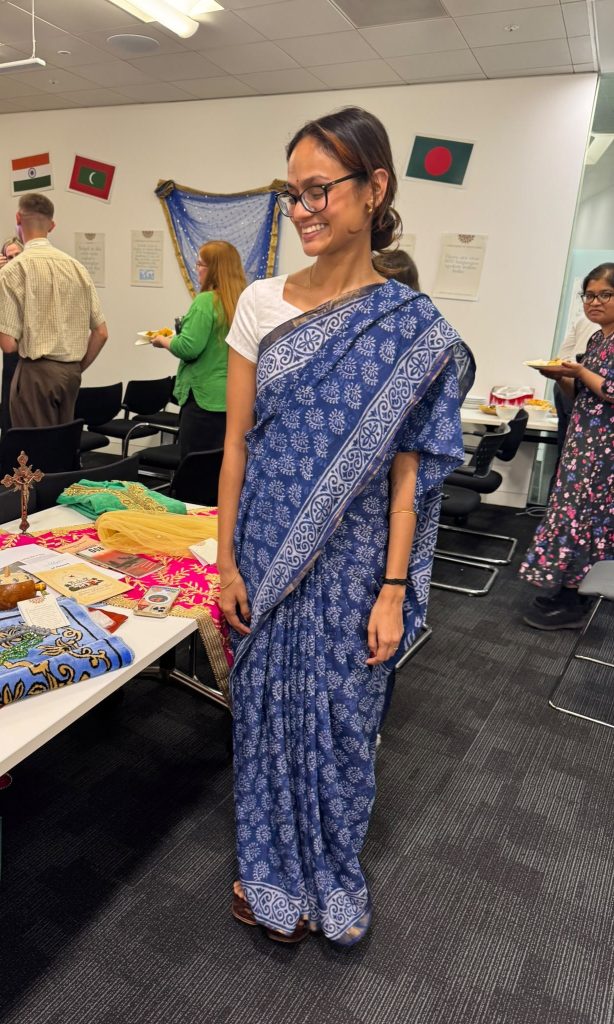
The event was filled with colour, music and conversation as colleagues shared traditional artefacts, henna designs, delicious homemade foods and cultural stories from across South Asia. Many staff embraced the occasion by wearing beautiful traditional clothing, including saris and chunni’s (scarfs), creating a warm and welcoming atmosphere that reflected the diversity of our community.
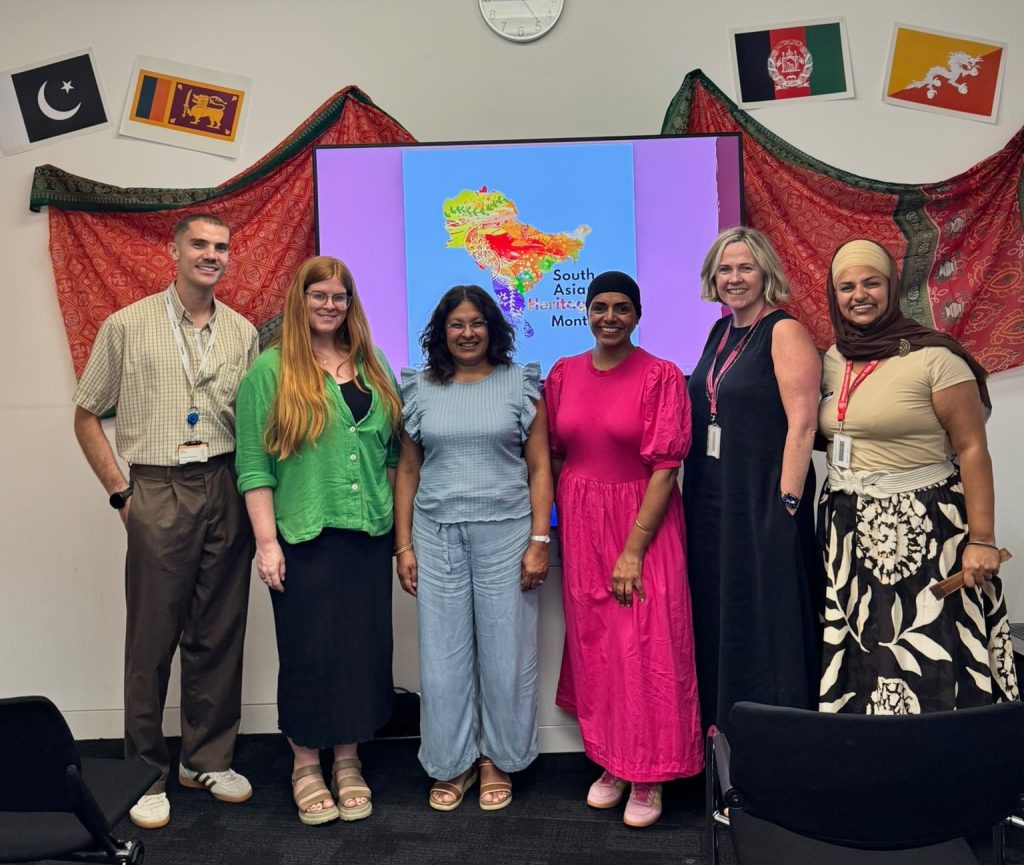
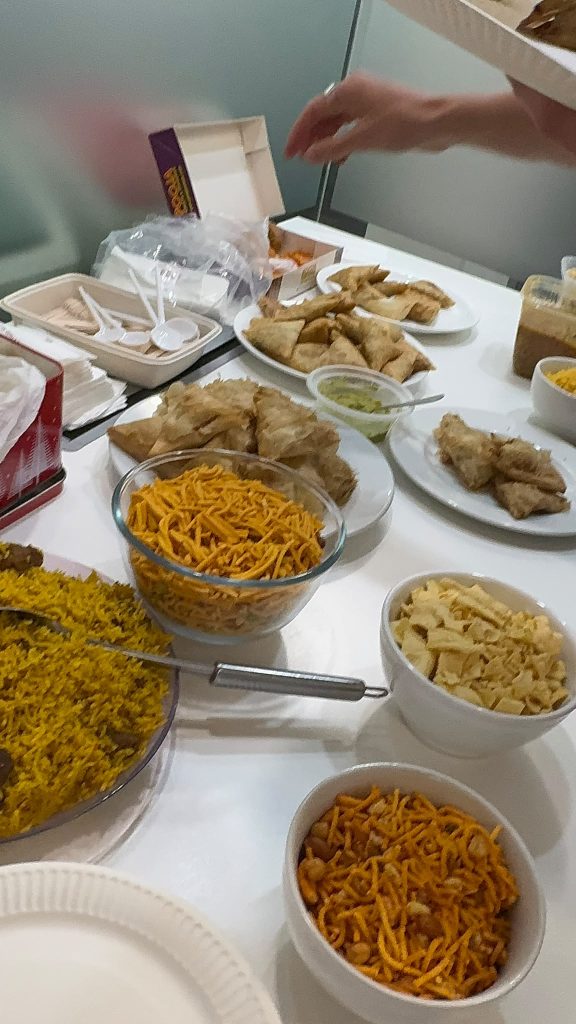
The event was filled with colour, music and conversation as colleagues shared traditional artefacts, henna designs, delicious homemade foods and cultural stories from across South Asia.
Many staff embraced the occasion by wearing beautiful traditional clothing, including saris and chunnis (scarfs), creating a warm and welcoming atmosphere that reflected the diversity of our community.
A highlight of the event was an inspiring keynote from Rupinder Kaur, award-winning founder of Asian Women Mean Business and a member of the Forbes Coaches Council, where she is the only Sikh woman from the UK.
With a background spanning human resources, psychology, coaching and mentoring, Rupinder has dedicated her career to empowering South Asian women to achieve their personal and professional ambitions.
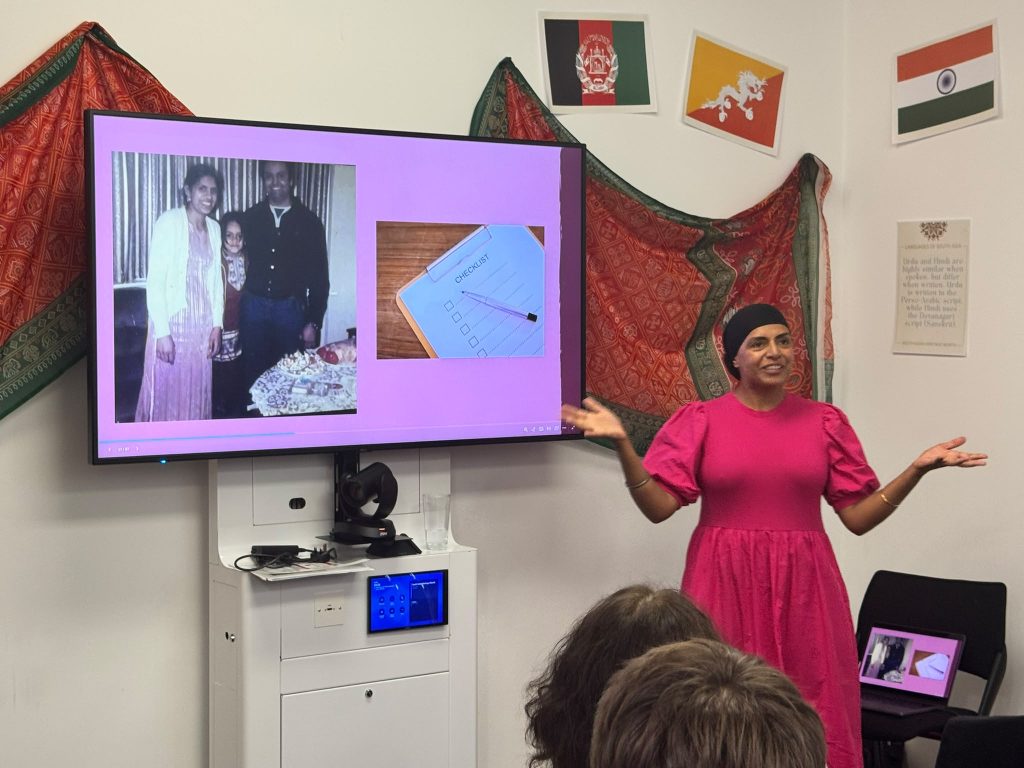
Rupinder shared her remarkable personal journey, growing up in Wolverhampton during the 1980s as the daughter of migrant manual labourers, through to building a successful business and life in Surrey.
She challenged many of the expectations traditionally placed upon South Asian women and reflected on the courage it took to forge her own path. One particularly memorable story described leaving behind her comfort zone – and her husband and children at home – to climb Mount Kilimanjaro alongside 14 other South Asian women, before documenting the experience for a major streaming platform. Watch Mother Kili here
Perhaps the most powerful message of the afternoon was her reminder that confidence is not the starting point – courage is. By taking courageous first steps, confidence follows, a message that resonated strongly with colleagues across the room.
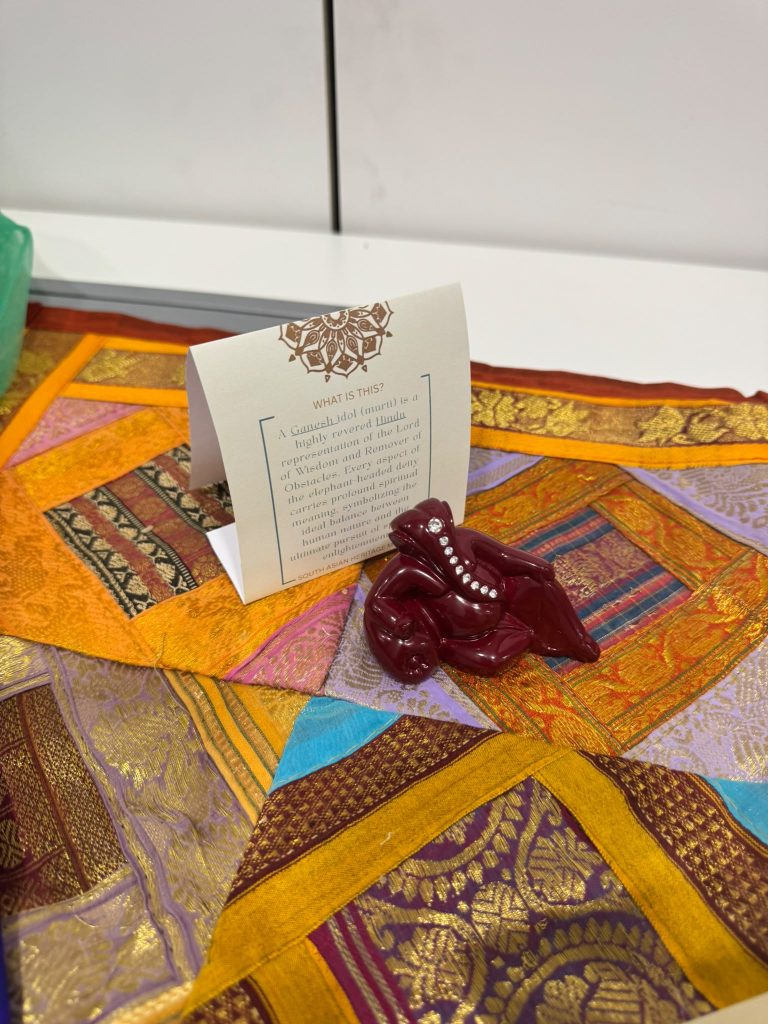
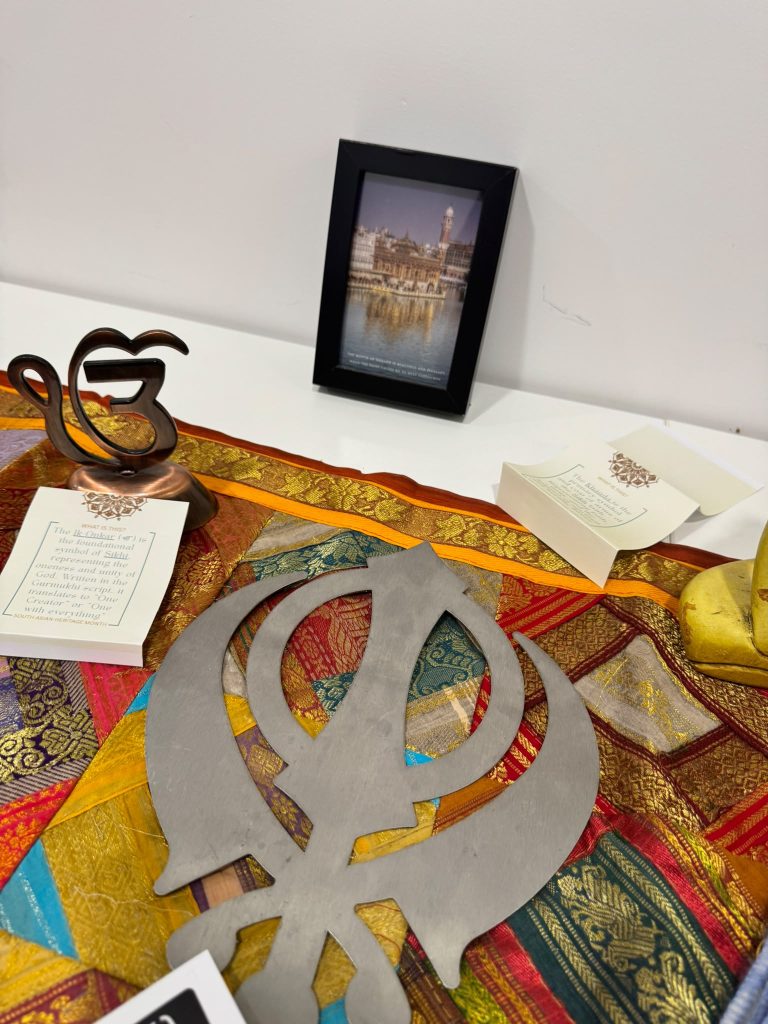
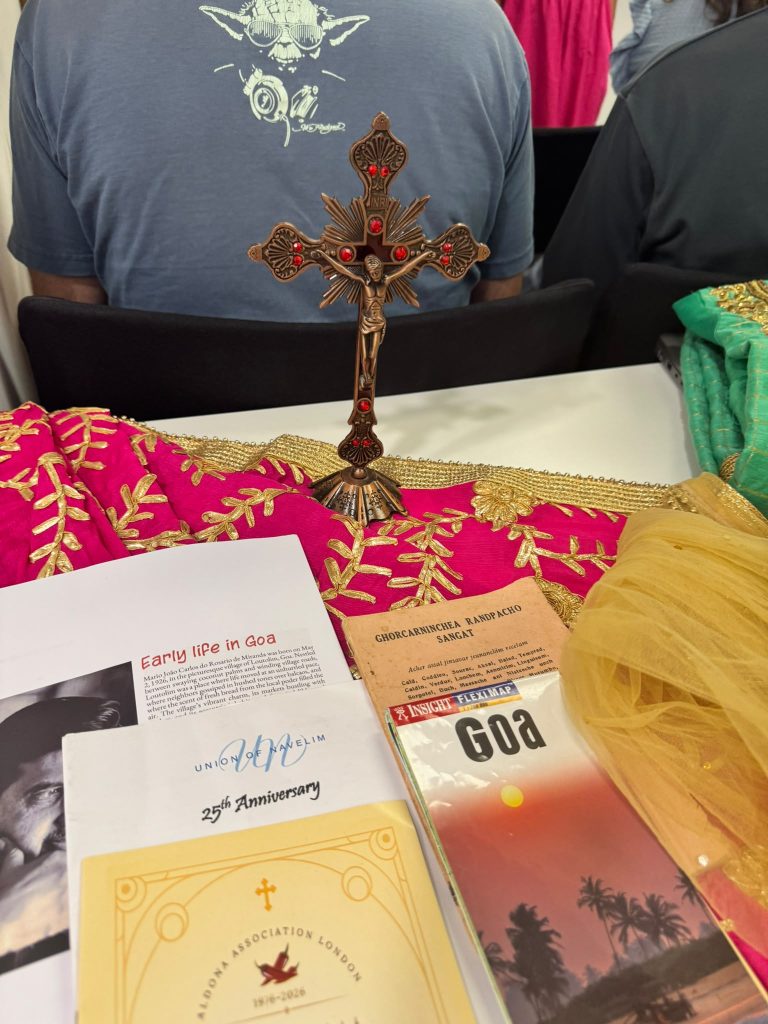
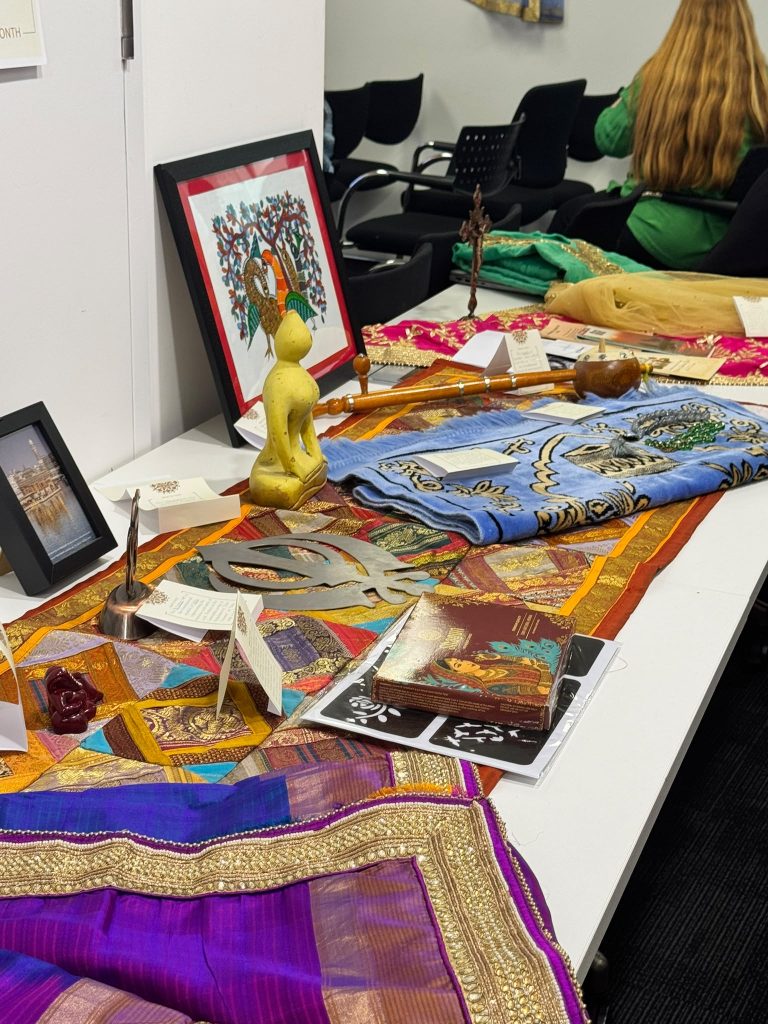
Delivered by the ICTM EDI Team, the event was created to provide an opportunity for colleagues to learn more about South Asian heritage, celebrate the diversity within our community, strengthen connections across the ICTM and leave feeling inspired.
A huge thank you to everyone who attended, contributed artefacts and food, shared their stories, and helped make this inaugural South Asian Heritage Month celebration such a memorable success.
We look forward to building on its success in the years to come.
You can learn more about the Network’s commitments in its Strategy for 2025 – 2030 here.
To keep up to date with the work of the Network follow us on LinkedIn or Bluesky.





If you have any questions about the site, please feel free to contact us. We are always looking for ways to better serve our members - YOU are important to us!
If you have any questions about the site, please feel free to contact us. We are always looking for ways to better serve our members - YOU are important to us!